Art and Soul: Empowering Children with Disabilities Through Dance
How parents can nurture creative expression in a child with learning differences, and where dance fits in.
October 15, 2026 · 4 min read
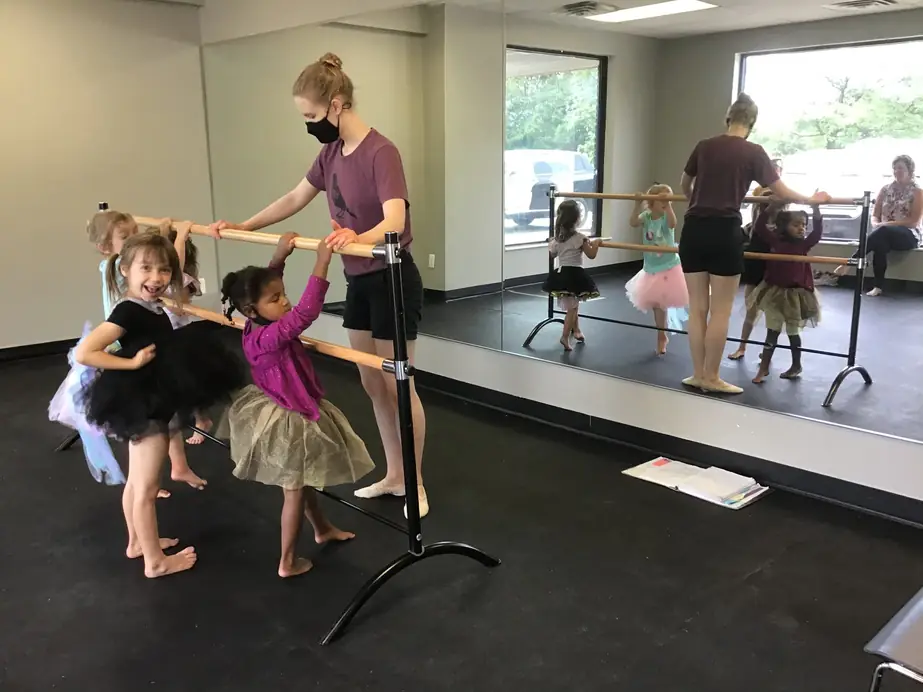
Artistic expression can be a powerful tool for your child, particularly when they face the challenges of a learning disability. It lets them share their innermost thoughts and feelings in ways that words sometimes can't. When you understand and nurture your child's artistic abilities, you make a real contribution to their personal and emotional growth. Create a home where those expressions are welcome, and let art shaped by Christian faith become a steady, joyful part of their life.
Tailoring art to your child's unique abilities
Every child's learning disability affects the way they take in and express information, and no two children are alike. Before you introduce a new art form, take time to understand the specific challenges your child faces. Whether it's dyslexia, ADHD, or another learning difference, think about how it shapes the way they move, listen, focus, and communicate. Once you see that clearly, you can adjust activities to fit them, so art becomes a fulfilling experience instead of a source of frustration.
You know your child best. Watch what makes them light up, notice what wears them out, and change the plan halfway through if you need to. A short session that ends happily beats a long one that ends in tears.
Creating a nurturing space
Art should be a place free from judgment, where mistakes are simply steps in learning. Build an atmosphere where your child feels safe to experiment and try something new. That kind of support matters a great deal for children with learning disabilities, because it lets them explore what they can do without fear of criticism. Encourage them to play with ideas and materials, and remind them often that the value is in the act of creating, not only in what's left at the end.
In a dance setting, this looks like a teacher who celebrates effort, repeats directions patiently, and lets a child try a step three different ways. It looks like fellow students who clap for each other.
Engaging the senses and removing barriers
For many children with learning disabilities, sensory experiences are especially engaging. Try projects that bring in different textures, pleasant scents, and soothing sounds. This multisensory approach enriches the experience and can help hold a child's interest and creative energy. Our Art and Soul program for children with disabilities is built around a multisensory environment for exactly that reason.
The physical act of making art can also be hard for some children, so look for tools designed to meet their needs. These simple adjustments can make a big difference at home:
- Brushes with larger handles that are easier to hold
- Scissors with easy-grip handles
- Adaptive computer software that responds to voice commands
- Varied textures, such as soft fabrics, sand, or clay, for hands that learn by touching
- Soothing background music at a comfortable volume
Each of these helps remove a barrier between your child and the thing they want to make, so they can sink into the creative process.
Dance as expressive art
Dance joins movement and emotion, which makes it a wonderful fit for a child who finds more traditional art forms hard. Through dance, a child can move feelings they may not yet have words for and find freedom and joy in each motion. Bringing Christian faith in through worship music or Bible stories can deepen the experience, adding a spiritual connection to the creative one. Our founding verse here at Great Commission Studios is Psalm 149:3, “Let them praise his name with dancing,” and we believe that invitation is for every child, in every body, at every ability.
At home, you can start small. Put on a favorite song and move together, let your child lead, and copy what they do. No steps to learn and no wrong answers. These quiet moments are often where a child's personality shows up most clearly.
Teaching, and keeping the joy at the center
As you share the joy of art with your child, you may discover a budding passion for teaching others. If that interest grows, you might think about offering classes beyond your own home. Teaching can be a rewarding way to share your skills and enthusiasm. If you decide to pursue it, talk with an accountant or attorney about formalizing your work, for example by forming a limited liability company, which can add professionalism and some legal and financial protection.
Whatever you try, focus first on the experience and the joy of making something new. Celebrate the act of creating more than the result. This is especially important for children with learning disabilities, because it encourages them to keep coming back and growing without the pressure to be perfect. A wobbly painting or a spin that ends in a giggle is worth celebrating.
As a parent, you play a crucial role in helping your child's creativity bloom. When you offer a supportive, engaging, and adaptable environment, you give your child room to express themselves in deep and satisfying ways. Along the way they can explore their creativity, work through challenges, and share their own view of the world. As you take this journey together, remember that the true masterpiece is the joy and growth you both find along the way.
If you'd like to talk about Art and Soul, our program for children with disabilities, we'd be glad to hear from you. New students are welcome to take a free trial class, and you can call (517) 759-5554. You can also read more on the Art and Soul page at /services/art-and-soul.
Great Commission Studios, (517) 759-5554
Call (517) 759-5554More articles
Ruach Flow? What's that?
What the Hebrew word Ruach means, and why our studio gives a flowing, breath-centered class that name.
Meaningful Ways to Serve Your Community and Beyond
Ideas for serving close to home and far away, and a real volunteer need at Great Commission Studios.